Bubble Tea Syrup Supplier Checklist: 10 Questions to Ask
November 2, 2026
Your fruit milk tea tastes a little different this month, and a regular noticed before you did. That is usually the moment a boba shop starts looking at a new syrup supplier.
The short answer: before you switch, lock in your recipe ratios, then ask any new supplier ten questions about fruit content, pack size, storage, shelf life, shipping and samples. The answers tell you whether the new syrup will drop into your current menu or force you to rebuild it.
What syrup ratios should you hold steady while you compare suppliers?
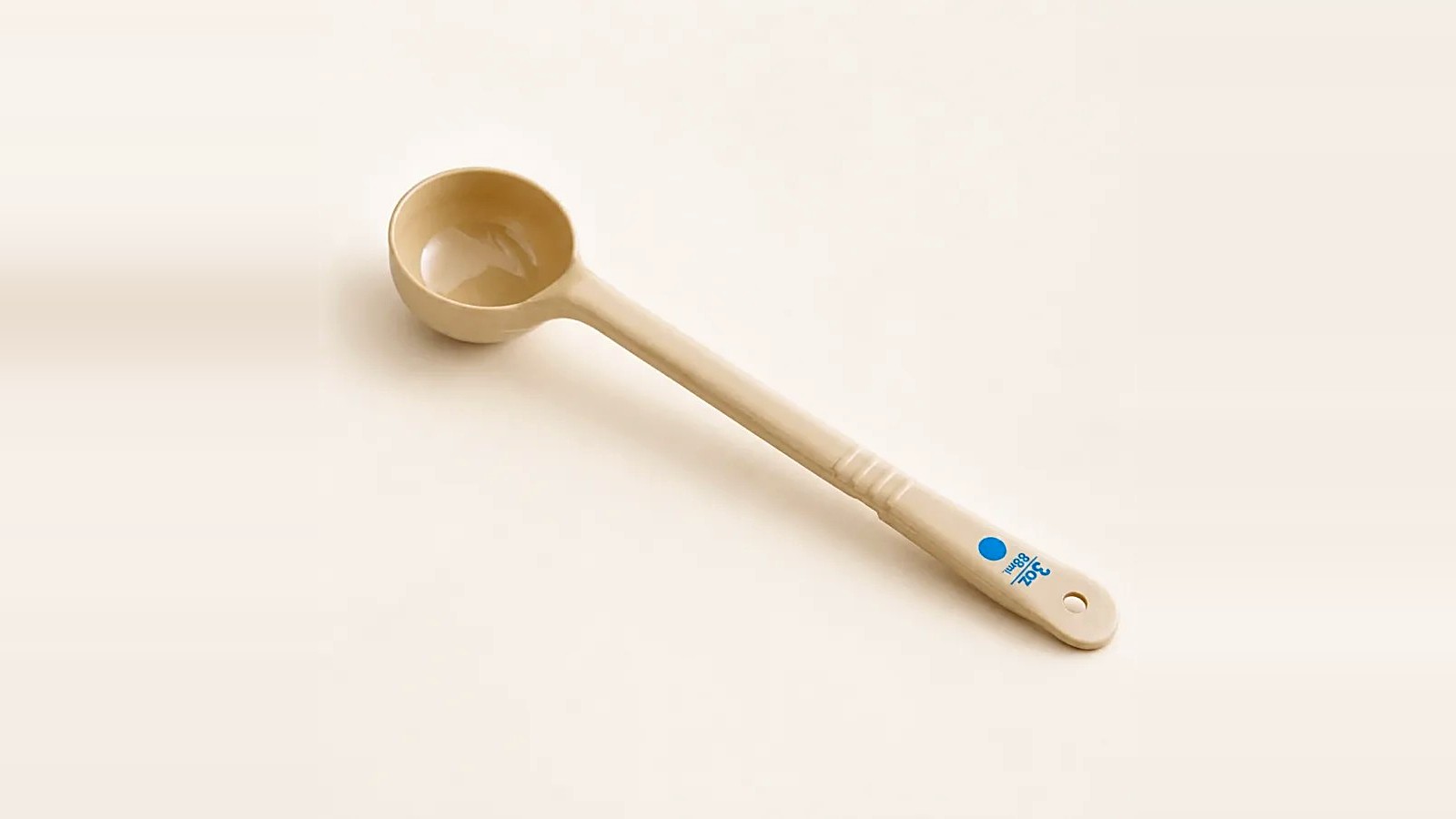
Hold your pour and your base steady, so the only thing that changes in a side by side test is the syrup. These are the starting ratios from the measuring guide on our recipe pages. The 24 oz lines are starting points to test in your own cups, since ice, cup shape and toppings all change the result.
Fruit milk tea
16 oz: 3 oz syrup, cup half full of ice, top with milk or brewed tea
24 oz: start at 4.5 oz syrup, ice, top with milk or brewed tea
Fruit ade
16 oz: 3 oz syrup, cup half full of ice, top with sparkling water
24 oz: start at 4.5 oz syrup, ice, top with sparkling water
Fruit tea with toppings
16 oz: 3 oz syrup, a scoop of tapioca pearls or jelly, ice, top with brewed green or black tea
24 oz: start at 4.5 oz syrup, a larger scoop of toppings, ice, top with tea
Make the same drink with the current syrup and the new one, at the same pour, on the same day. Taste them with two or three staff members who make the drink every shift. They know the house flavor better than anyone.
Which 10 questions should you ask a bubble tea syrup supplier?
Ask these in writing, so you can compare answers line by line.
1. What is the fruit content, and does it change by flavor? A clear answer per flavor helps you write menu copy you can stand behind.
2. Which flavors do you carry year round? Your best sellers need to be in stock in January and in July.
3. What pack size do you sell, and how does it fit my station? A large pouch that refills a marked squeeze bottle works very differently from a small pump unit.
4. How many units come in a case, and can I order by the pallet? This tells you how the supplier fits a growing shop or a second location.
5. Where is it made, and in what kind of facility? Ask for the country of origin and whether the facility is FDA registered.
6. What is the shelf life, and where is the best-by date printed? You want a date your staff can read at a glance on every unit.
7. How should it be stored before and after opening? Clear storage steps make training simple.
8. Where does it ship from, and do you ship nationwide? A domestic warehouse can make reorders easier to plan.
9. Is there a minimum order? A shop testing one new flavor needs to know whether it can order small.
10. Can I get samples before I commit? Testing in your own cups, with your own milk and tea, beats any spec sheet.
How do you compare cost per cup between two suppliers?
Compare cost per drink, not cost per pack, because pack sizes differ. Divide the price of one pack by its weight in grams to get the cost per gram. Multiply that by the grams in your pour. A 3 oz pour of syrup weighs more than 3 oz of water, so weigh one real pour on a kitchen scale instead of guessing.
Then add the cup, lid, straw, base, toppings and ice to get the full cost of the drink. Run the same math for both suppliers. A pack with a higher sticker price can still come out even or ahead per cup if the pour that tastes right is smaller.
How should a busy shop store fruit syrup?
Follow the storage directions on the pack, and refrigerate after opening. Check the best-by date when a delivery arrives and write the open date on the squeeze bottle or pack when you start it.
Use first in, first out. Put new stock behind older stock on the shelf so the oldest pack gets used first. At closing, wipe the squeeze bottle tips and caps, and keep each flavor in its own labeled squeeze bottle so a rush never mixes them up.
How do you switch suppliers without confusing your staff?
Switch one flavor at a time, starting with your top seller. Update the recipe card at the station with the new pour, then run the new syrup for a week before you move to the next flavor.
Keep the old and new syrup on separate shelves during the changeover and label the squeeze bottles clearly. Tell your team which flavor changed and ask them to note any customer comments. A short note in the shift log is enough.
What does a good answer sheet look like?
A good supplier answers every question above with a direct, specific reply. For example, Umma's Recipe syrups are made with real fruit and natural flavors, with no artificial colors, and peach and mango are 40% real fruit. They are made in Korea in an FDA-registered facility, packed in 2kg (4.4 lb) pouches, six pouches to a case, and ship nationwide from New Jersey, with pallet shipping available. Full ingredients are listed on each product page.
Whatever supplier you test, put the answers in one sheet next to your taste notes and cost per cup. The right choice usually shows up clearly once everything sits side by side.
FAQ
How many flavors should I sample before switching?
Start with your two or three best sellers. They carry most of your syrup volume, so they tell you the most.
Should I change my pour when I switch syrups?
Start at your current pour. Adjust only after a side by side taste test with the people who make the drink every day.
How much syrup goes in a 16 oz bubble tea?
A good starting point is 3 oz of fruit syrup in a 16 oz cup half full of ice, topped with milk or brewed tea.
How do I get bulk pricing or lead times for a large order?
Ask the supplier directly. For Umma's Recipe bulk pricing and lead times, contact us.
Want to test real fruit syrups in your own cups? Request free samples or a bulk quote at https://ummasrecipe.com/wholesale