Real Fruit Syrup Wholesale: Building a Cafe Menu from 7 Flavors
November 13, 2026
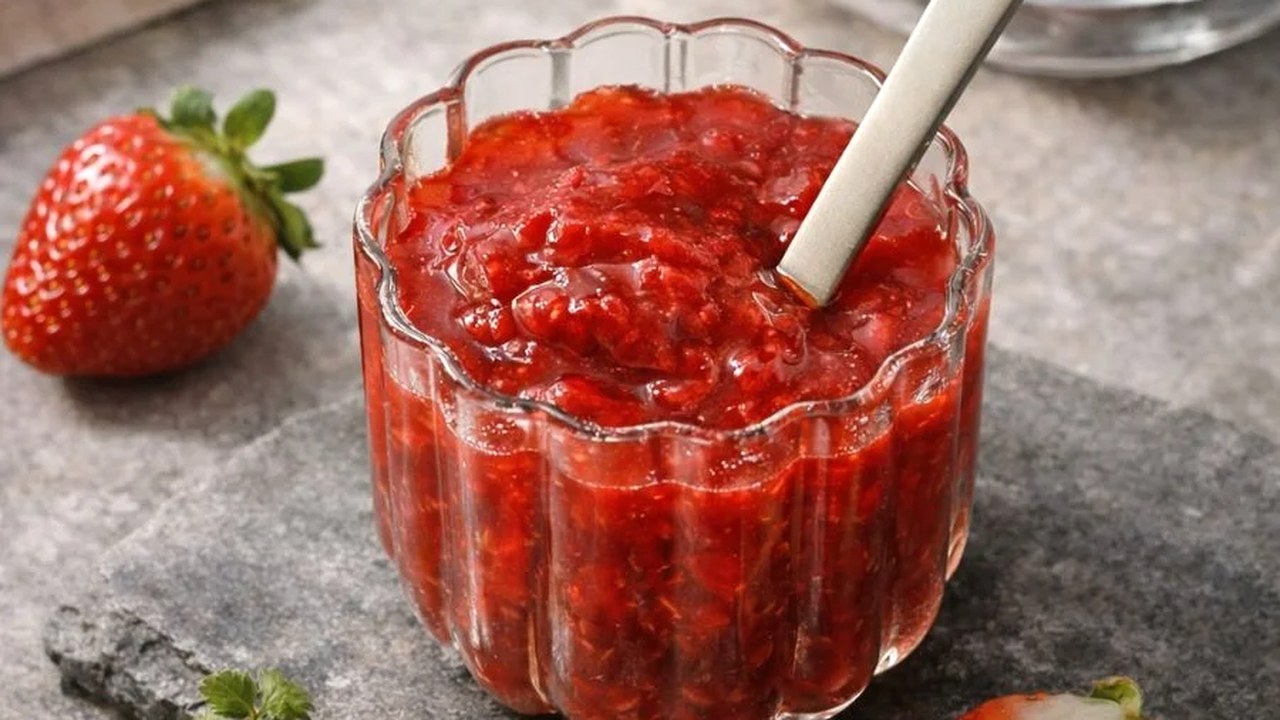
Seven fruit flavors can run an entire drink menu. With strawberry, blueberry, mango, peach, passion fruit, lemon and grapefruit on your back bar, you can cover milk teas, iced teas, ades, sodas, smoothies and lattes without adding a new ingredient for every drink. The trick is a small set of fixed ratios and a clear plan for which flavor goes where.
This guide is for cafe and boba shop owners buying real fruit syrup wholesale for the first time, or cleaning up a menu that grew one drink at a time. You will find 16oz and 24oz ratios, pairing ideas, a cost per cup method and tips for stocking the order.
What drinks can you make from seven fruit syrups?
You can make five drink families from the same seven syrups: fruit milk tea, fruit iced tea, ades and sodas, smoothies and slushes, and fruit lattes or cream drinks. Each family uses one base recipe, so a new flavor is just a swap of the syrup, not a new recipe card.
Mango, strawberry and peach carry milk drinks well. Lemon, grapefruit and passion fruit shine in ades, sodas and iced tea. Blueberry works in both directions, in a latte or a sparkling drink.
What are the starting ratios for 16oz and 24oz drinks?
Use these as starting points to test with your own ice, cups and customers.
Fruit milk tea, 16oz: 1.5 oz syrup, 8 oz milk, ice to fill.
Fruit milk tea, 24oz: 2.25 oz syrup, 12 oz milk, ice to fill.
Fruit iced tea, 16oz: 1.5 oz syrup, 10 oz brewed and chilled tea, ice.
Fruit iced tea, 24oz: 2.25 oz syrup, 15 oz brewed tea, ice.
Fruit ade or soda, 16oz: 3 oz syrup, sparkling water, ice.
Fruit ade or soda, 24oz: 4 oz syrup, sparkling water, ice.
Smoothie or slush, 16oz: 2 oz syrup, 6 oz milk or water, 1.5 cups ice, blend.
Smoothie or slush, 24oz: 3 oz syrup, 9 oz milk or water, 2.25 cups ice, blend.
Write the same numbers on your recipe cards and on marked squeeze bottles. When every station pours the same way, a strawberry milk tea tastes the same on Monday morning and Saturday night.
Which flavor pairings work best on a cafe menu?
Two-flavor drinks make a seven-syrup lineup feel much bigger. A good starting split in a 16oz drink is 1 oz of the main flavor and 0.5 oz of the accent flavor.
Strawberry and mango: a bright, crowd-pleasing pair for milk tea and slush.
Mango and passion fruit: tropical and tangy, great in jasmine or green tea.
Peach and lemon: a classic iced tea pairing that sells all year.
Strawberry and lemon: a pink lemonade style ade with sparkling water.
Blueberry and lemon: a deep purple soda that looks great in a clear cup.
Grapefruit and passion fruit: a citrus refresher over jasmine tea.
Test each pairing with your team first, then pick the three or four your customers order most. A short, confident menu sells faster than a long one.
How should you split your menu between the seven flavors?
Start with the flavors that carry the most drinks. In most shops, strawberry and mango lead because they work in milk, tea, soda and smoothies. Peach follows for iced tea. Lemon and grapefruit power ades and sodas. Passion fruit and blueberry round out the lineup as accent and seasonal flavors.
A simple layout is a core menu of six to eight drinks that use your top four flavors, plus one or two rotating specials. Seasonal drinks let you feature the less common flavors without making them permanent.
How do you work out cost per cup?
Cost per cup is a method, not a fixed number. Divide what you pay for one 2kg pouch by 2,000 to get your cost per gram. Weigh one pour in grams, since syrup is denser than water and one fluid ounce weighs more than 28 grams. Multiply grams per pour by cost per gram, then add the cup, lid, straw, base liquid, ice and toppings.
Do this once per drink and per size, and keep it in a spreadsheet. When a supply cost changes, you update one cell and see your margin right away.
How much syrup should a first wholesale order include?
Order by sales, not by flavor count. Estimate how many drinks each flavor sells per week, multiply by the grams per pour, and divide by 2,000 to get pouches per week. Pouches are packed six to a case, so round up to full cases for your best sellers and order smaller amounts of your accent flavors.
If you plan to stock a lot, ask about pallet shipping. Umma's Recipe ships nationwide from New Jersey, and pallet orders are available for larger shops and multi-store groups. For bulk pricing and timing on large orders, contact the supplier directly.
How do you store fruit syrup in a busy shop?
Keep unopened pouches in a cool, dry spot and refrigerate after opening. Check the best-by date printed on each pouch and rotate first in, first out, so the oldest pouch is always the next one opened. Fill squeeze bottles in small batches, label them with the flavor and the date opened, and wash bottles between refills.
What should you look for in a real fruit syrup supplier?
Look for real fruit in the ingredient list, natural flavors and no artificial colors, a clear fruit content figure for each flavor, and a pack size that fits your workflow. Full ingredients for every flavor should be easy to find on the product page. Free samples help your team taste the range before you commit. As one example, Umma's Recipe syrups are made with up to 40% real fruit, with 40% in the peach and mango, and are made in Korea in an FDA-registered facility.
FAQ
How many flavors does a new cafe need?
Four is a strong start. Strawberry, mango, peach and lemon cover milk tea, iced tea, ades and smoothies.
Can one syrup work in both milk and sparkling drinks?
Yes. Strawberry, mango and blueberry work well in both. Start at 1.5 oz in a 16oz milk drink and 3 oz in a 16oz soda.
How do I keep drinks consistent across baristas?
Use marked squeeze bottles or a jigger, post the ratio chart at every station, and train new staff on the same cards.
Where do I get a bulk quote?
Request a quote or free samples on the wholesale page at https://ummasrecipe.com/wholesale.