Fruit Syrup for Multi-Store Cafes: One Recipe at Every Location
November 11, 2026
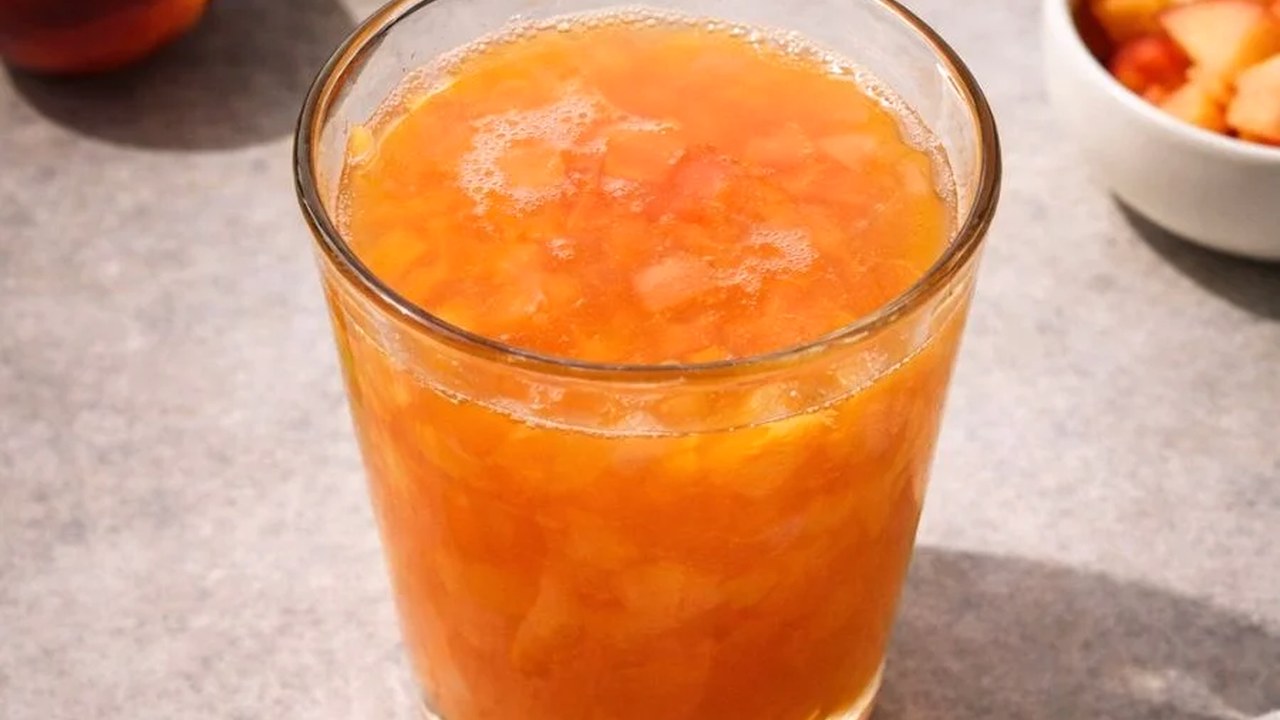
A guest who orders a peach iced tea at your second store expects it to taste exactly like the one at your first store. The fastest way to get there is one written ratio card, one portioning tool and one syrup source shared by every location.
That sounds simple, but most multi-store cafes and boba groups drift within a few months. One manager pours by eye, another store buys syrup locally, and a third changes the cup size. This guide covers the ratio cards, the cost per cup method, storage rules and the wholesale fruit syrup ordering habits that keep every store on the same recipe.
Why do fruit drinks taste different from store to store?
Drinks drift because three things change between locations: the pour, the cup and the ingredients. If each store controls those on its own, the same menu item turns into three different drinks.
The pour changes when staff free pour from a pouch or eyeball a squeeze bottle. The cup changes when one store orders a slightly different 24 oz cup with more ice room. The ingredient changes when a store runs short and buys a different syrup brand nearby. Fix all three and most consistency problems go away.
What should a shared ratio card include?
A shared ratio card should list the cup size, syrup amount, base liquid, ice level and the tool used to measure each one. Print the same card for every store and laminate it at the station.
Here are 16 oz starting ratios commonly used on cafe recipe pages:
Fruit iced tea
16 oz: 1.5 oz fruit syrup, 10 oz brewed black or green tea, ice to fill
Fruit milk tea or fruit milk
16 oz: 1.5 oz fruit syrup, 8 oz milk or milk tea, ice to fill
Fruit latte
16 oz: 1.5 oz fruit syrup, 8 oz milk, 1 or 2 espresso shots, ice
Fruit soda or ade
16 oz: 3 oz fruit syrup, ice, top with sparkling water
The 24 oz amounts below are starting points to test as a group before you roll them out:
Fruit iced tea
24 oz: start at 2.25 oz fruit syrup, 15 oz brewed tea, ice to fill
Fruit milk tea or fruit milk
24 oz: start at 2.25 oz fruit syrup, 12 oz milk or milk tea, ice to fill
Fruit soda or ade
24 oz: start at 4.5 oz fruit syrup, ice, top with sparkling water
Test the 24 oz builds at one lead store first. Make each drink three times in the real cups with the real ice scoop, adjust, and only then send the final card to the other stores.
Which portioning tools keep every store on the same pour?
Use the same tool at every station, and write that tool on the ratio card. A marked squeeze bottle, a 1.5 oz jigger or a 3 oz scoop all work, as long as every store uses the same one.
Mark squeeze bottles at the 1.5 oz and 3 oz lines with tape or a paint marker so a new hire can see the pour level. Keep a backup jigger at each station so nobody falls back to free pouring during a rush. When a store manager asks to switch tools, test the new tool against the card before it goes into service.
How do you set sweetness levels across locations?
Set sweetness as a fixed percentage of the standard pour and print it on the card. For example, 100 percent is the full 1.5 oz in a 16 oz tea, 70 percent is about 1 oz, and 50 percent is about 0.75 oz.
When every store uses the same percentages, a regular can order "70 percent peach tea" anywhere in your group and get the same drink. It also keeps your syrup use predictable, which helps the ordering math below.
How do you calculate cost per cup for the whole group?
Cost per cup is the same formula at every store: syrup cost per gram times grams per pour, plus cup, lid, straw, base liquid and toppings.
For syrup sold in a 2 kg pouch, divide your price per pouch by 2,000 to get cost per gram. Weigh one standard pour on a kitchen scale to get grams per pour, since fruit syrup is heavier than water and fluid ounces alone will throw off the math. Multiply the two, then add your other per cup costs. Run the numbers once at the lead store and share the sheet so every manager prices from the same worksheet.
How should multi-store groups order wholesale fruit syrup?
Order from one supplier for the whole group, track use per store each week, and place orders on a fixed schedule. Shared sourcing keeps the flavor the same and makes it easy to compare stores.
A simple method is to count pouches used per store every week, add the stores together, and order by the case for the group. Groups that run high volume can ask about pallet shipping and deliver to a central location, then send cases out to each store. Umma's Recipe, for example, packs syrup in 2 kg pouches with 6 pouches per case, ships nationwide from New Jersey, and offers pallet shipping. For bulk pricing and timing on large orders, contact the supplier directly instead of guessing.
How should each store store and rotate syrup?
Each store should follow one written storage rule: keep unopened pouches in a cool, dry place, refrigerate after opening, and use the oldest pouch first.
Write the open date on every pouch with a marker. Check the best by date printed on the pouch when a delivery arrives and shelve new stock behind old stock. Wipe squeeze bottle tips at the end of each shift and wash bottles on a set day each week. Put the same checklist on the back room wall at every location.
How do you train staff so the recipe holds?
Train every new hire on the ratio card in their first shift and check one drink per person per week. Short, repeated checks work better than one long training day.
A store manager can pull one drink at random, pour it into a measuring cup and compare it to the card. Share the results across stores in a group chat so managers see where pours are drifting. When you add a new drink, roll it out at every store on the same day with the same card.
FAQ
Can different stores use different syrup brands for the same drink?
It is best to use one brand across the group. Different syrups vary in fruit content, sweetness and color, so the same recipe card will taste different.
What fruit flavors work well across a multi-store menu?
Strawberry, mango and peach are easy crowd pleasers in tea, milk and soda drinks. Passion fruit, blueberry, lemon and grapefruit add range for ades and seasonal specials.
Should 24 oz drinks just be 16 oz drinks scaled by 1.5?
Scaling by 1.5 is a good starting point, but ice and cup shape change the result. Test at one store, then lock the card for everyone.
How often should a group review its ratio cards?
Review them every season or whenever you change cups, tea, milk or syrup. Update the card at every store on the same day.
Ready to set up group ordering? Request free samples or a bulk quote at ummasrecipe.com/wholesale.